 Latest · Capitals Wire
Home Energy Energy-General By Alex Kimani - Sep 29, 2026, 7:00 PM CDT Oil prices fell as Middle East exports recovered, with regional crude flows reaching 15.5 million bpd and Saudi exports more than doubling in September. Standard Chartered sharply raised its oil forecasts, arguing persistent Middle East instability and thin supply buffers will keep prices elevated through 2027. Diesel and European gas remain key pressure points, with Washington weighing fuel-market interventions while Europe confronts winter supply risks.
Oil prices pulled back on Tuesday, reversing recent gains as investors weighed signs of export recovery by Middle Eastern producers against uncertainty surrounding the fate of the Iran war. Brent crude for November delivery fell 1.5% to trade at $103.72 per barrel at 1.10 pm ET, while WTI crude for October delivery declined 2.2% to change hands at $90.62/bbl. Crude exports from the region climbed to 15.5 million barrels per day in September, good for more than 80% of prewar levels and the highest level since the conflict began seven months ago.
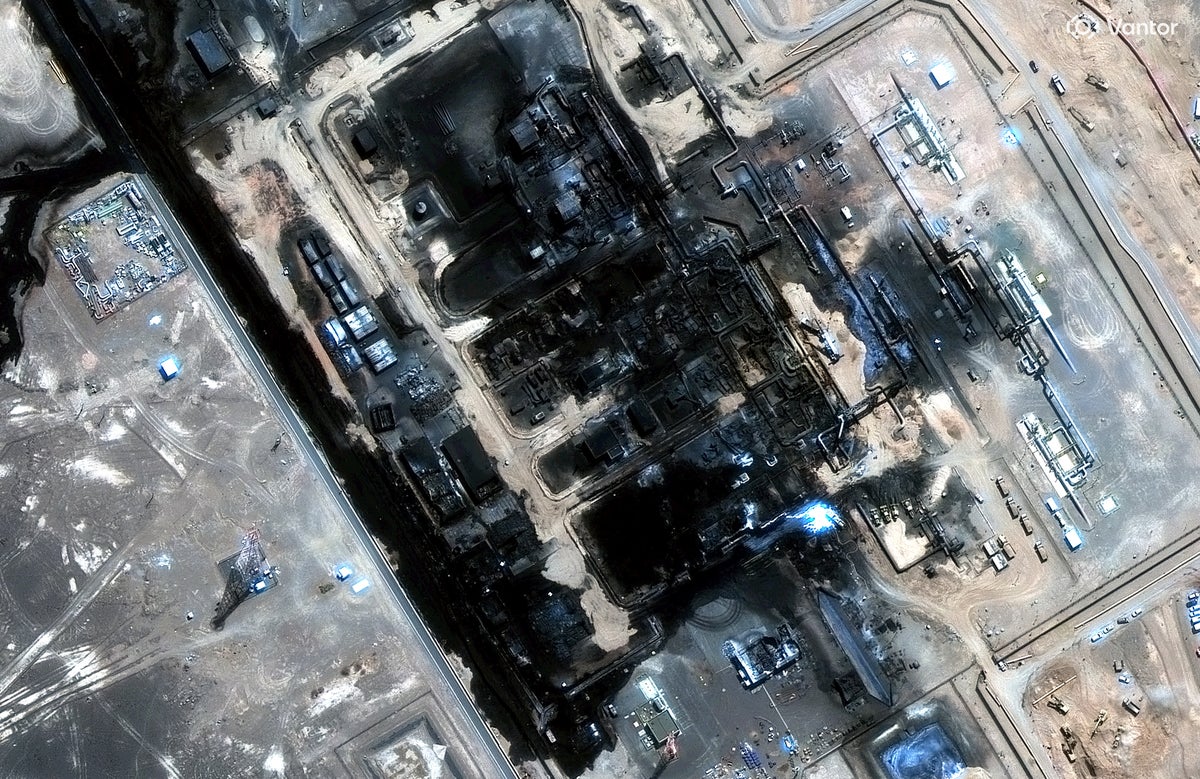
Saudi Arabia spearheaded the recovery, more than doubling its crude exports from 2.45 million bpd in August to roughly 5.4 million bpd in September after bringing back online parts of the damaged East-West pipeline. And now commodity analysts at Standard Chartered have hiked their oil price forecasts amid stalled diplomacy efforts and regional escalation beyond Iran and Hormuz. StanChart has raised its average Brent crude forecast for 2026 to $92.00/bbl from its previous forecast at $85.50/bbl, while WTI crude is now expected to average $86.00/bbl, up from $80.25/bbl.
StanChart has also hiked its 2027 oil price forecasts, and now sees Brent averaging $89.50/bbl from $77.50/bbl, while WTI crude rises to 89.50/bbl from $77.50/bbl. According to StanChart, the global energy market is now confronting a more persistent deterioration in the Middle East security environment, with little prospect of a return to the pre-conflict status quo and no real pathway to a settlement visible yet. The conflict continues to spill over into a wider regional security problem, with the Houthi/Saudi escalation adding a second front and Saudi Arabia being drawn in deeper.
Source: Standard Chartered StanChart notes that both Brent and WTI remain caught between structural tightness and policy risk. Supply buffers are extremely thin, which means that price moves are highly sensitive to further disruption. StanChart expects only a gradual and imperfect de-escalation process, even if US-Iran negotiations resume shortly, with periodic flare-ups in tension likely to keep a premium embedded in prices.
Meanwhile, the events of 2026 are accelerating a shift in the energy system from efficiency towards resilience, StanChart notes. For years, companies cut inventories, consolidated supply chains and prioritized efficiency over resilience. The analysts believe that approach is now reversing as governments, producers and consumers build larger inventories, maintain more spare capacity and diversify suppliers.
That shift raises costs, but it also supports a higher long-term floor for oil prices. As a result, they expect oil markets to normalize more slowly, with elevated prices likely to persist into 2027 and beyond. In the products markets, diesel prices have surged to an all-time high, with StanChart saying it has now moved from a market problem to a policy problem.
The next few weeks could clarify how far the Trump administration is prepared to intervene in U.S. product markets as the midterm elections approach. Significant internal pressure for a U.S. diesel export ban remains, particularly from those battleground states where high diesel prices coincide with a key agricultural harvest season (Iowa, for instance). Trump has backed restrictions on diesel exports previously; however, many in his cabinet (including energy secretary Chris Wright), have warned that this could ultimately also lead to tightening both gasoline and jet fuel supply.
This would, in turn, make both the global product problem worse and (after temporarily helping U.S. consumers), end up damaging Gulf Coast refining economics, potentially lowering crude runs. StanChart notes that pressure to demonstrate action on domestic prices is leading the administration to consider less disruptive alternatives, including voluntary export reductions by refiners and broader use of tax-exempt dyed diesel. In the natural gas markets , the EU Commissioner for Energy and Housing Dan Jørgensen recently urged member states’ energy ministers to both sustain stronger injections and consider measures to reduce gas and electricity demand, warning of a potential price crisis linked to supply risk.
However, the urgency in Brussels is less evident in the market, with European natural gas futures falling to €69.30 per megawatt-hour on Tuesday, the lowest level in a month on weaker Chinese LNG demand. According to StanChart, this push from the EU Commission is an attempt to prompt a stronger response and to bridge the disconnect in urgency between the state and market. The analysts note that existing flexibility to lower the storage target to 80% may ease near-term price pressure, but it does not fully remove Europe’s exposure in winter.
By Alex Kimani for Oilprice.com More Top Reads From Oilprice.com LNG Canada to Double Export Capacity After Shell Approves Phase 2 Saudi Arabia Restarts Red Sea Crude Oil Loadings India Looks to Boost Exploration as Hormuz Crisis Threatens Supply Download The Free Oilprice App Today Back to homepage Alex Kimani Alex Kimani is a veteran finance writer, investor, engineer and researcher for Safehaven.com. More Info Leave a comment EXXON Mobil -0.35 Open 57.81 Trading Vol. 6.96M Previous Vol. 241.7B BUY 57.15 Sell 57.00