 Latest · Capitals Wire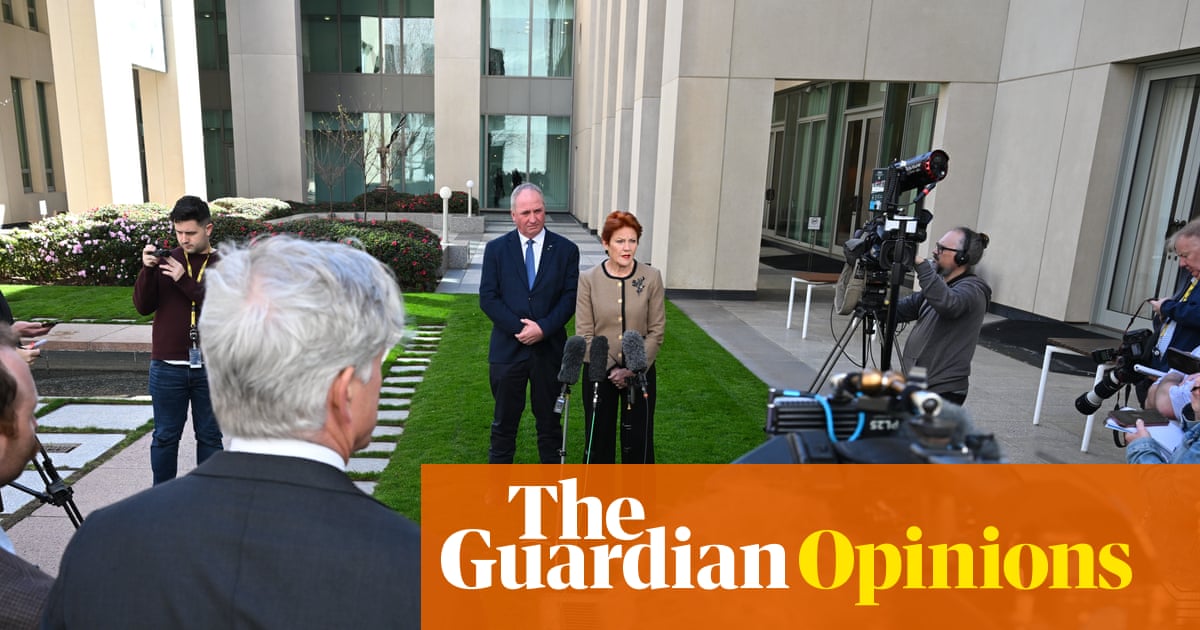
N o politician loves journalists. The relationship between media and governments has always been fractious, combative, resentful and at times downright hostile. But that is how it is meant to be.
Governments wield power; media monitor and report on it. That dynamic is critical to any functioning democracy. Formal checks and balances will only go so far in exposing abuses of power, so the system requires vigorous, professional and independent individuals devoted to investigating and reporting how governments behave.
It isn’t always pretty but it has been an essential component of every effective modern democracy. That is why the US has its storied First Amendment – arguably the world’s most elegant constitutional guarantee of basic freedoms including freedom of speech and freedom of the press. At the weekend, Donald Trump banned journalists from CNN, MS Now and Politico from the White House.
He described them as “fake news”, without giving more details. “It’s really just cumulative stories over the last few years,” he told a news conference. “You just get sick of it.” It is worth pausing for a moment to reflect on how big a deal this is.
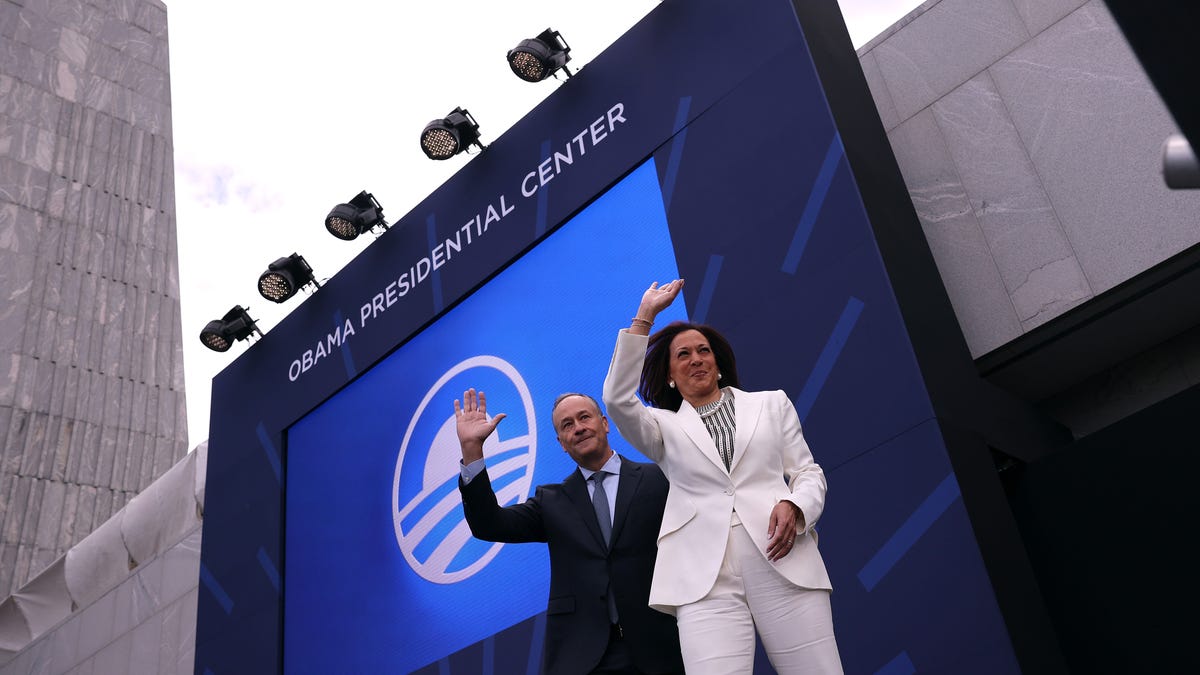
Barack Obama articulated it well in a response at the weekend. “If you have a certain cohort – let’s call it 30 to 35 per cent of the country right now – which thinks that’s OK, what that means is we have not developed the kind of understanding of what democracy requires,” the former president said. “I’m trying to think what would have happened if I’d said, ‘You know what, Fox News ... you’re outta here.’ It’s unimaginable.” In solidarity, four other big US broadcasters who routinely film and distribute White House events on behalf of the media – ABC, NBC, Fox News and CBS – have suspended what’s known as the press pool.
That won’t stop the news from getting out. The White House’s own feed and others will still cover the events but it is a sharp escalation of the administration’s attacks on media coverage it doesn’t like. Australians cannot afford to be complacent.
One Nation – now slightly in front of Labor as our most popular political party – also thinks it is OK to ban journalists . It has repeatedly shut out reporters from the ABC and the Guardian from its news conferences and signalled that it will do the same for other news organisations it doesn’t like. In the US, the three news organisations have gone to the district court to challenge the ban as a violation of their First Amendment rights.
In Australia, we have no such protection. In fact, we are the only liberal democracy in the world without any protection for press freedom or freedom of speech enshrined in our constitution or in a bill of rights. The most we have is an “ implied freedom of political communication” that the high court has inferred from our constitution.
At times, that implied freedom has helped protect the rights that most of us assume are hardwired into our political system. But because that right is merely inferred, and not part of any explicit constitutional clause, it can – and has been – overridden at critical points. The ABC discovered that to its cost when it tried and failed to use the implied freedom to overturn a search warrant that the Australian federal police used in 2019 when it investigated the broadcaster’s Afghan Files reporting.
Trump said he would probably lose the lawsuit brought by the three media organisations and expected to “go for appeal”. But even though there is no guarantee that the US media companies will win their court case, the First Amendment remains a powerful bulwark against the kinds of attacks the Trump administration is now launching. It is unrealistic to think we can get some kind of constitutional reform like the First Amendment but the US experience shows that it would be naive to assume press freedom is a given here, even with our robust and longstanding traditions.
That is why the Alliance for Journalists’ Freedom is advocating for a media freedom bill. Our bill, that we expect to publish later this year, would enshrine the principle of media freedom in our legal code. Under it, parliament would have to treat press freedom as something to be protected like any other human right, and the courts would have to recognise the public interest in the work that journalists produce, whenever they are interpreting existing laws.
Trump’s attack on press freedom is an inflection point – one that shows how far democratic norms have shifted under his presidency. It also shows that relying on convention rather than established law is dangerous. The three news organisations might well lose their district court challenge but at least they have that constitutional backstop.
We don’t, and we shouldn’t wait until journalists deemed unfriendly are being kicked out of Parliament House or worse before we think about writing their role into legislation. By then, it will be too late.
Source: The Guardian